Chenango County deed search and property fraud alert
Keep your Chenango County home in your name.
Does Chenango County have a free deed fraud alert?
Yes, from the Chenango County Clerk's Office.
It's called PropertyCheck. It's the county's own service, separate from Still My Home.
Sign up on the Clerk’s siteThis guide is by Still My Home, a private company. We’re not the Chenango County Clerk.
1 Your deed office
Your deed office: the Chenango County Clerk
The Chenango County Clerk records the deeds for homes in Chenango County and keeps the land records.
Search your deed on the Clerk’s siteWe’re not the county. Still My Home is a private company, not the Chenango County Clerk. Hours and fees can change, so check the office’s own website before you go.
Chenango County Clerk's Office
County Clerk
Phone
Hours
Monday through Friday, 8:30 A.M. to 5:00 P.M.
Website
Search your deed
Recording a deed
$40 plus $5 per page
Copy of a recorded deed
$0.65 per page ($1.30 minimum)
Certified copy: $1.25 per page ($5 minimum)
Chenango County at a glance
Fraud help
Office of the New York State Attorney General
1-800-771-7755 · ag.ny.gov
New York law
§ 155.42 Grand larceny in the first degree
Since July 19, 2024 New York treats deed theft (forging or falsifying a deed to take or encumber a home) as grand larceny, with the top felony for occupied homes and homes owned by elderly or disabled people. Prosecutors get more time to file charges, and the Attorney General can prosecute too.
2 Sign up · Free
How to sign up for Chenango County’s free alert
Have your property tax bill ready. Most forms ask for the details printed on it.
- Open the sign-up page on the Chenango County Clerk's Office's website. Use the link on this page, or type the address yourself (cotthosting.com). Don't click an ad.
- Have your property tax bill ready. Forms ask for your name as it's on your deed, and often your parcel number.
- Fill in the form. Check every detail before you send it. One wrong digit and the alert watches the wrong property.
- Add how you want to hear. An email, a phone number or both, where the form offers them.
- Look for the confirmation. Check your spam folder too. Signing up for a parent? Use their property's details.
The alert, in short
- Name
- PropertyCheck
- Run by
- Chenango County Clerk's Office
- Cost
- Free
- Sign-up page
- cotthosting.com
It’s the county’s own service, separate from Still My Home. We don’t sign you up for it.
3 In numbers
Chenango County in numbers
46,321
people
14,993
homes lived in by their owners
$137,900
typical home value
7,818
homes lived in by their owners in Chenango County have no mortgage. That's 52% of them.
10,347
people in Chenango County are 65 or older, about 1 in 4.
Numbers: U.S. Census Bureau, American Community Survey 2020 to 2024 (5-year estimates).
4 After vs. before
An alert after, or a question before? Have both.
Keep Chenango County’s free alert. It helps. We add the step that comes before a sale or loan closes.
- Step 1 A scammer forges your signature. They copy your name from public records onto a deed or a loan.
- Step 2 The fake deed is recorded. The county files it. Recorders check the paperwork, not who really signed it. Chenango County’s free alert tells you here, after it’s filed.
- Step 3 They try to sell or borrow. Before closing, a title company checks the record. Still My Home asks you here: Is this you?
- Step 4 The sale or loan closes. If no one checks with you, the money goes to the scammer.
What the free alert can’t do
True of every county’s alert. Keep yours, and know what it does.
- It tells you after. The alert comes once a document is already recorded.
- It can’t keep a filing off the record. Recorders check the paperwork, not who really signed it.
- It can’t remove a fake deed. Getting one cancelled usually takes a court case.
- It only watches what you signed up with. A typo in your name or parcel number means no alerts.
5 How it works
How the question before works.
In four pictures and plain words.
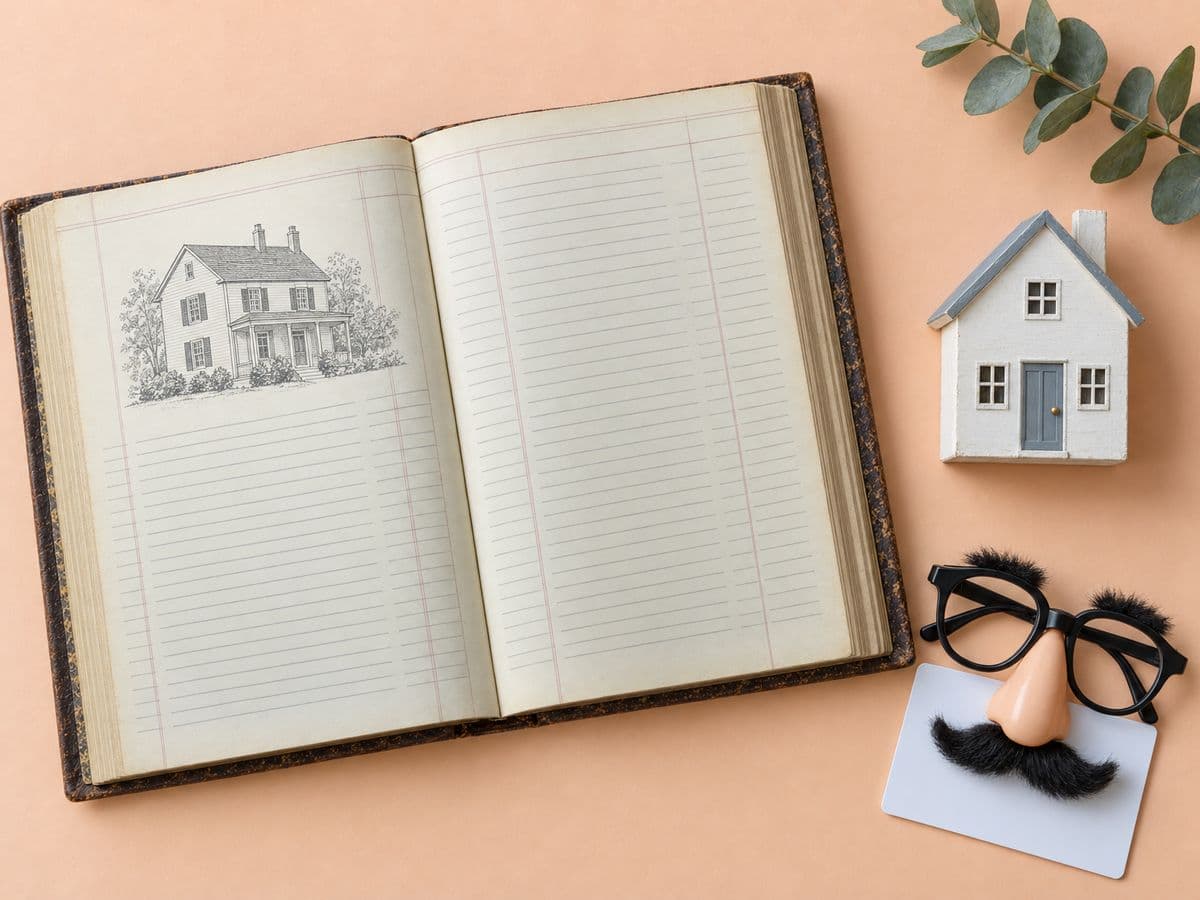
Your home has a record.
Your county keeps a record that says the home is yours. Anyone can read it, so a scammer can learn your name and pretend to be you.
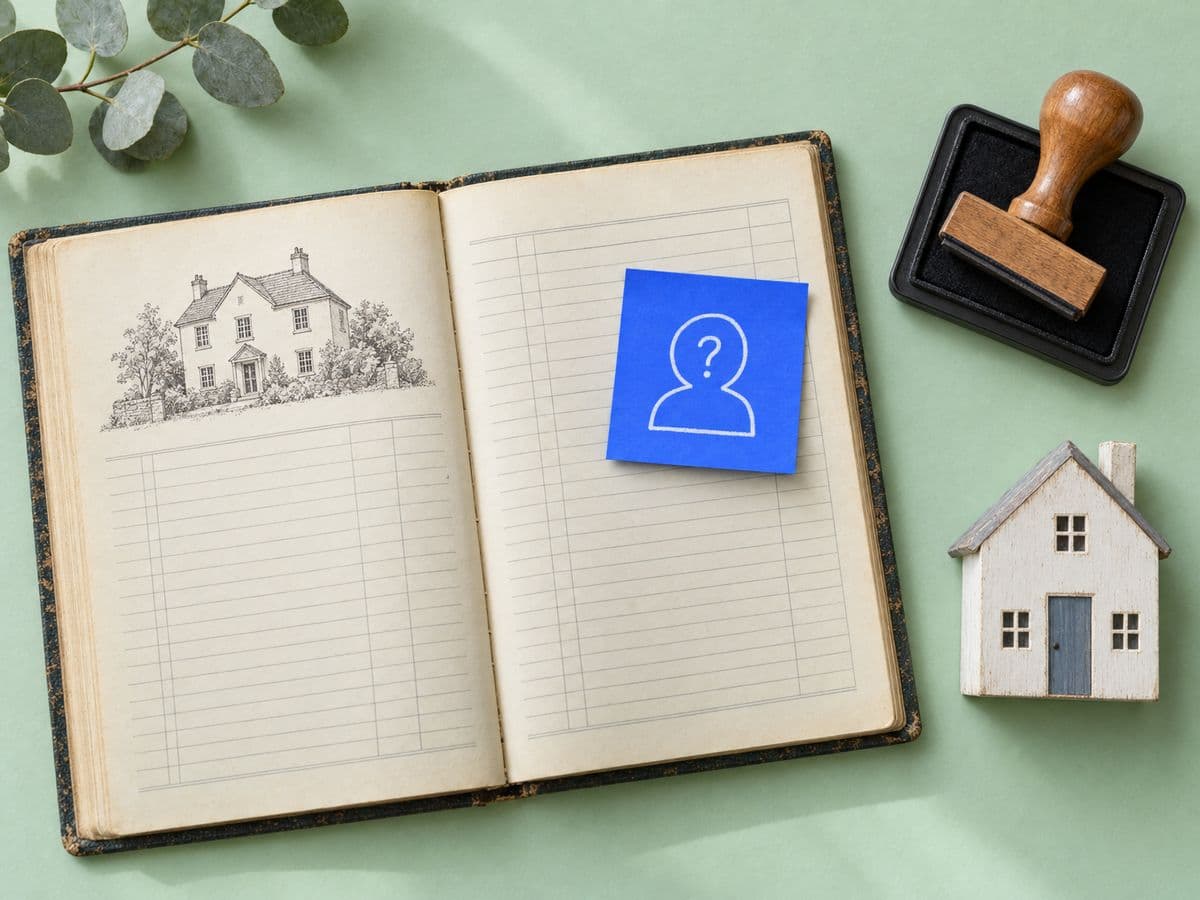
We add a note to it.
After we check your ID, we add a note to your home’s record: before anyone sells it or borrows against it, ask the owner. You still own your home, same as before.
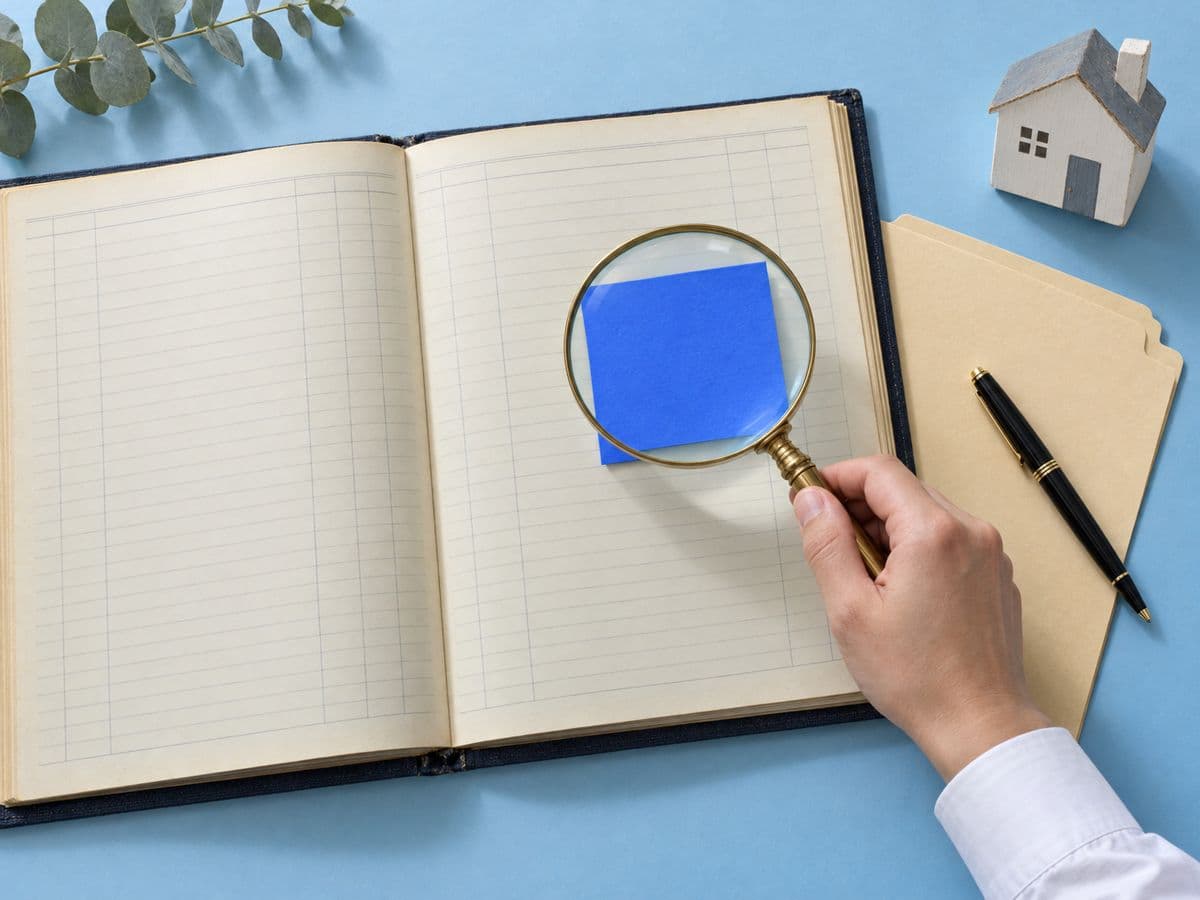
Before a sale, they read it.
The company handling a sale reads the record before the sale is final. Normally they only check with the seller, who could be the scammer. Our note asks them to check with you, through us.1
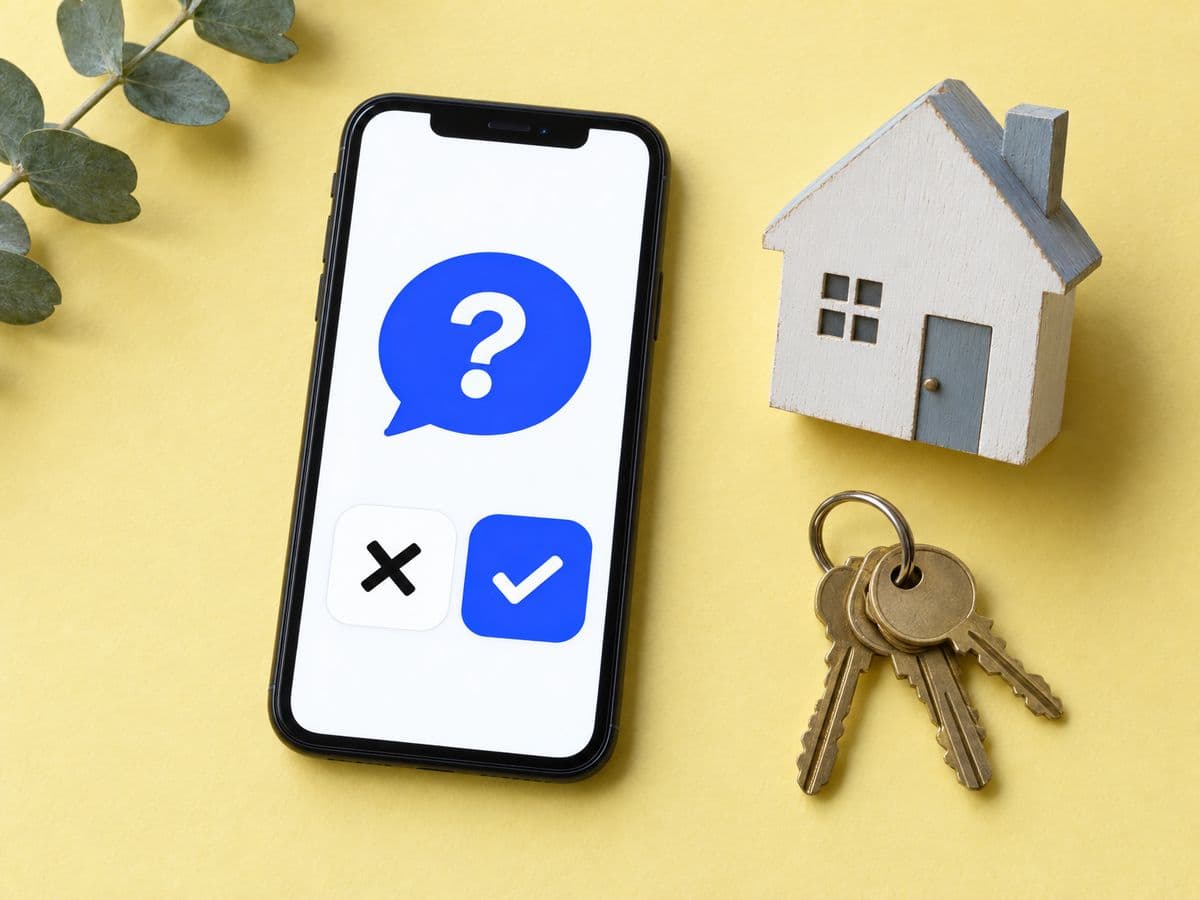
We ask you one question.
Is this you? Tap Yes if you’re selling. Tap No if you’re not, and we tell them it isn’t you.
A scammer can copy your name. But we ask you, not them.
6 Be asked first
Want the question before? One price.
Try it: the one question we send you
Still My Home
A title company is about to close a sale of your home. Is this you?
By email, and by text if you choose.
$199 a year per home
About $17 a month, billed once a year.
- A notice recorded on your title1 asks anyone handling a sale or loan to check with you first
- Identity check for the owner, then one question by email, and by text if you choose
- Cancel any time, no fees
Full refund if you cancel before we send your notice to the county. No setup fee, no recording fee and nothing added at checkout.
7 Who to call
If a fake deed is filed on your home
- Get a copy. Find the document in the online records search (Public Records eSearch) and note its number.
- Tell the Chenango County Clerk. Call at 607-337-1450 with your address and the document number.
- File a police report. With the police department where the home is. Don't confront anyone yourself.
- Talk to a lawyer, and call your title insurance company. Your policy may help pay for your defense.
Who to call
Chenango County Clerk's Office
Copies of documents, and questions about a filing
Office of the New York State Attorney General
The state attorney general takes consumer fraud complaints.
Your local police
A criminal report
The department where the home is. Call 911 in an emergency.
Your title insurance company
A claim on your policy
The phone number on your policy
8 Questions
Questions about Chenango County
Does Chenango County have a free property fraud alert?
Yes, from the Chenango County Clerk's Office. It's called PropertyCheck. It's the county's own service, separate from Still My Home.
Is the Chenango County property fraud alert free?
Free, according to the Chenango County Clerk's Office.
How do I search my deed in Chenango County?
Use the online records search from the Chenango County Clerk (Public Records eSearch): cotthosting.com. Search by your name, or by your parcel number if it asks for one.
How do I get a copy of my deed in Chenango County?
Ask the Chenango County Clerk (607-337-1450). A copy costs $0.65 per page ($1.30 minimum). A certified copy costs $1.25 per page ($5 minimum).
How much does it cost to record a deed in Chenango County?
$40 plus $5 per page, according to the Chenango County Clerk. Fees can change, so check its website before you send a deed.
Where is the Chenango County deed office?
The Chenango County Clerk: 5 Court Street, Norwich, NY 13815. Hours: Monday through Friday, 8:30 A.M. to 5:00 P.M.
Who do I call about deed fraud in Chenango County?
The Chenango County Clerk at 607-337-1450, then Office of the New York State Attorney General at 1-800-771-7755.
What does New York law say about deed fraud?
§ 155.42 Grand larceny in the first degree (2024): Since July 19, 2024 New York treats deed theft (forging or falsifying a deed to take or encumber a home) as grand larceny, with the top felony for occupied homes and homes owned by elderly or disabled people. Prosecutors get more time to file charges, and the Attorney General can prosecute too. A lawyer can tell you how it applies to you.
Sources
Checked: November 2026 · Report a correctionCounty alerts and records offices are run by each county, not by Still My Home. We check each county’s facts at the source and show the date we checked. Guide by Mo Ayadi, founder of Still My Home.
- 1 chenangocountyny.gov/DocumentCenter/View/1514/Schedule-of-Fees-PDF, read November 2, 2026
- 2 ag.ny.gov/index.php/press-release/2024/attorney-general..., read November 1, 2026
- 3 legislation.nysenate.gov/pdf/bills/2023/S6569B, read November 1, 2026
- 4 ag.ny.gov/publications/deed-theft, read November 1, 2026
- 5 chenangocountyny.gov/190/County-Clerk, read November 1, 2026
- 6 Numbers: U.S. Census Bureau, American Community Survey 2020 to 2024 (5-year estimates). data.census.gov
- 7 Map outlines: U.S. Census Bureau cartographic boundary files. census.gov
Report a correction
An alert after. A question before. Have both.
Set up the question before in about two minutes.
Protect my home$199 a year per home. Full refund if you cancel before we send your notice to the county.